Discover the islands of the Venetian Lagoon
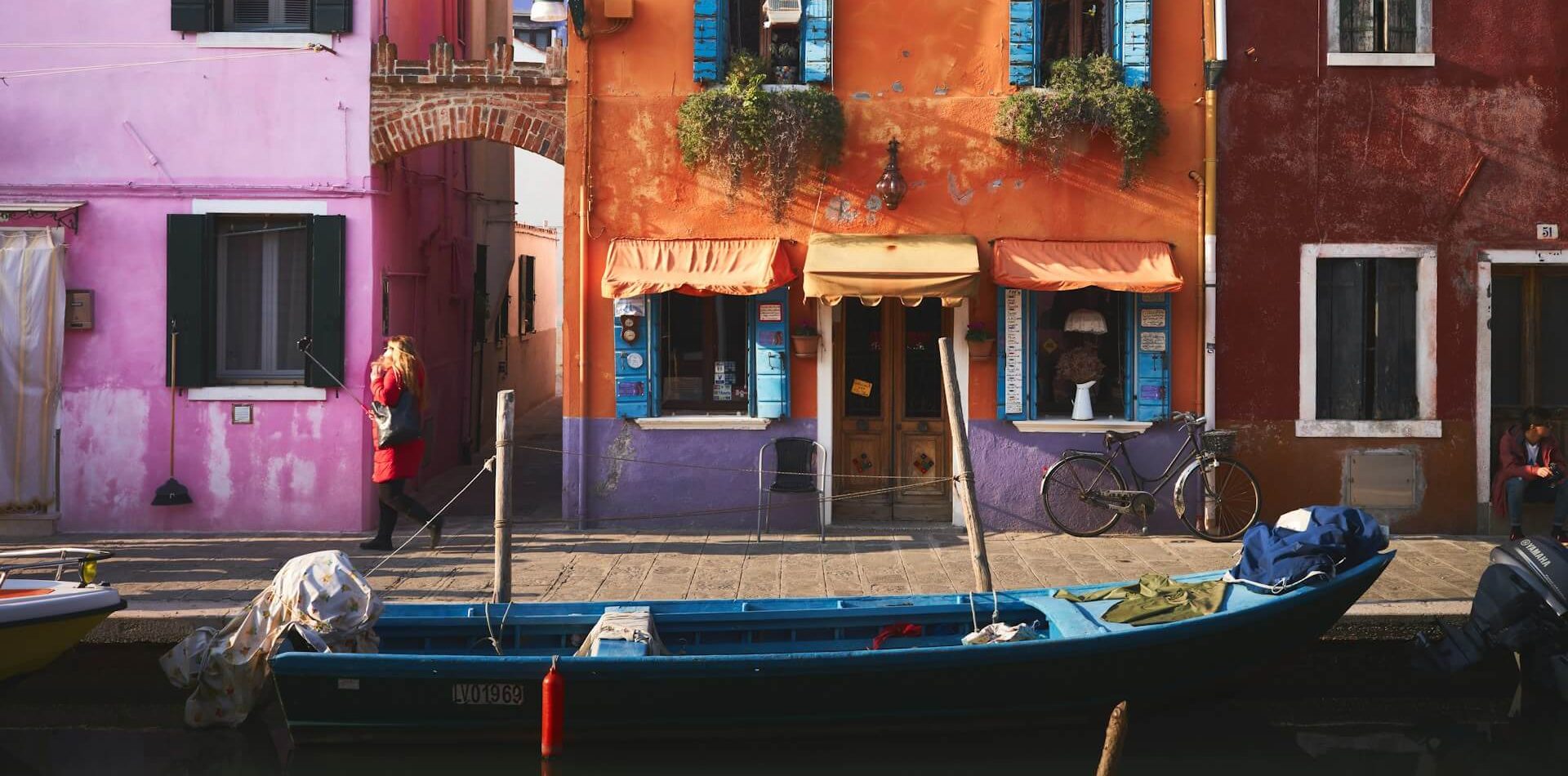
Venice is often thought of as a single city, yet it is actually a fascinating archipelago spread across the Venetian Lagoon. So, how many islands are there in Venice? The historic center is built on 118 small islands connected by more than 400 bridges, while the wider lagoon is home to dozens of inhabited and uninhabited islands, each with its own character and traditions. From the world-famous glassmaking heritage of Murano to the colourful streets of Burano, the Venetian islands in Italy reveal a side of Venice that many visitors never experience. Exploring the islands in the Venetian Lagoon offers the opportunity to discover unique landscapes, local craftsmanship and centuries of history beyond the city's most famous landmarks.
Murano Island: the home of glassmaking
A visit to Murano Island offers far more than a glimpse into a centuries-old craft. One of the highlights of any visit to Murano Island is watching a live glass blowing demonstration, where skilled artisans shape molten glass into intricate works of art in just a few minutes.
The island's long association with glassmaking can be seen everywhere, from colourful sculptures displayed in shop windows to the remarkable creations exhibited in local galleries and museums, reflecting the rich artistic heritage of Venice. Visiting a Murano glass factory remains one of the most memorable ways to experience the craftsmanship that has made the island famous around the world.
Burano Island: a colourful fishing village
Located in the Venetian Lagoon, this charming fishing village is famous for its brightly coloured houses, which line the canals in a vibrant display unlike anywhere else in Italy. Today, Burano Island is one of the most photographed destinations near Venice, attracting visitors with its cheerful atmosphere, picturesque streets and traditional character.
Beyond its colourful façades, Burano is also known for its centuries-old lace-making tradition, which remains an important part of the island's cultural heritage.
After exploring the island's colourful streets, many visitors choose to relax at a waterfront café or enjoy a traditional Venetian aperitivo while watching daily life unfold along the canals.
Torcello: where Venice began
Long before Venice became a powerful maritime republic, Torcello was one of the most important settlements in the Venetian Lagoon. Today, the island offers a completely different atmosphere from the bustling streets of Venice, with open green spaces, quiet waterways and historic landmarks surrounded by nature. Among its highlights is the Basilica of Santa Maria Assunta, one of the oldest churches in the lagoon, renowned for its remarkable Byzantine mosaics.
For many visitors, exploring Torcello feels like stepping back in time. Its timeless landscapes and slower pace have long inspired artists and writers, including Ernest Hemingway, who found inspiration here while writing Across the River and Into the Trees.
San Giorgio Maggiore: one of Venice’s best views
Although many visitors recognise San Giorgio Maggiore for its spectacular views of Venice, the island offers far more than a panoramic viewpoint. Home to the magnificent basilica designed by Andrea Palladio, it combines Renaissance architecture, contemporary art and cultural heritage in a unique setting surrounded by the lagoon.
Beyond the famous bell tower, visitors can explore the Fondazione Giorgio Cini, one of Venice's most important cultural institutions, wander through the remarkable Vatican Chapels created for the Architecture Biennale, or discover the Labyrinth of Borges, inspired by the celebrated Argentine writer Jorge Luis Borges.
Lido di Venezia: beaches and relaxation in the Lagoon
Few visitors expect to find long sandy beaches just minutes from Venice. Yet Lido di Venezia offers a completely different side of the lagoon, where elegant Liberty-style villas, tree-lined avenues and seaside promenades create an atmosphere unlike anywhere else in the city.
Every year, the island takes center stage during the Venice Film Festival, one of the most prestigious film events in Italy, when renowned actors, directors and filmmakers arrive for premieres and red-carpet events that capture worldwide attention.
FAQ
How to get to the Venetian lagoon?
The Venetian lagoon can be reached by vaporetto (water bus), which connects Venice's historic center with destinations across the Venetian Lagoon. Regular services operate throughout the day, making it easy to visit islands such as Murano, Burano, Torcello, San Giorgio Maggiore and Lido di Venezia.
Do you need a separate ticket to visit the Venetian lagoon?
In most cases, no. The same vaporetto network that serves Venice also connects many of the islands in the Venetian Lagoon.
Are the Venetian islands open to visitors all year round?
Yes. The main islands of the Venetian Lagoon, including Murano, Burano, Torcello, San Giorgio Maggiore and Lido di Venezia, are open to visitors throughout the year. Vaporetto services operate year-round, although schedules may vary depending on the season and weather conditions.
What is the largest island in the Venetian Lagoon?
The largest island in the Venetian Lagoon is Venice itself. Among the other major islands in the lagoon, Sant’Erasmo is the second largest and is often known as the “vegetable garden of Venice” thanks to its agricultural heritage.
