Places to visit in Venice in 2 days
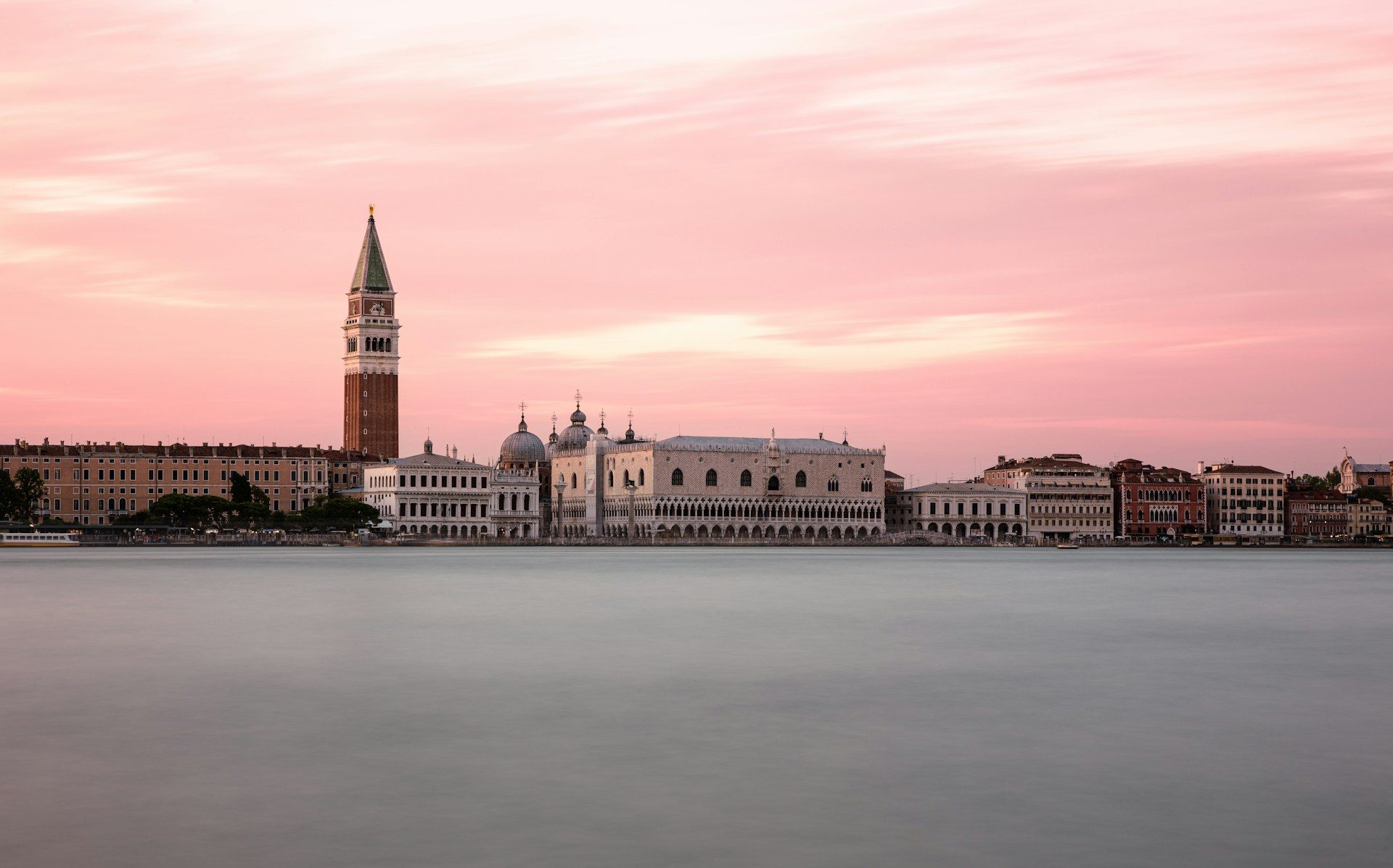
Venice is a city of pure emotion, built upon the waters of the Venetian Lagoon. Born in the fifth century as a refuge from barbarian invasions on the mainland, Venice was built on millions of wooden piles driven into the muddy islands of the lagoon. By the ninth century, it had become an independent republic and would go on to become one of Europe's most powerful maritime republics.
Today, walking through its car-free streets and canal-side paths feels like stepping into a living painting. Every bridge, canal and square tells a story of centuries of history, art and maritime tradition, creating an atmosphere unlike anywhere else in the world. Even a short weekend in Venice is enough to experience its overwhelming magic and understand why the city continues to captivate travellers from across the globe.
The following itinerary highlights what to see in Venice in 2 days, combining iconic landmarks with unforgettable local experiences.
Day 1: Venice's iconic landmarks
The first day of your Venice itinerary in 2 days focuses on the city's historic center, where many of its best-known attractions are located within walking distance. Following a carefully planned route allows you to discover some of the most famous places to visit in Venice while making the most of your time.
St Mark's Square and St Mark's Basilica
Any Venice itinerary begins in St Mark's Square, the historic and ceremonial heart of the city. Surrounded by elegant arcades, historic cafés and remarkable buildings, the square has been the center of Venetian public life for centuries and remains one of the city's most recognisable attractions.
Overlooking the square, St Mark's Basilica is one of Venice's greatest architectural masterpieces. Its golden mosaics, magnificent domes and blend of Byzantine, Gothic and Renaissance styles reflect the city's role as a bridge between East and West. Together, the square and the basilica provide the perfect introduction to Venice's history and artistic heritage.
The Doge's Palace and the Bridge of Sighs
Just beside St Mark's Basilica stands Doge's Palace, the former seat of government of the Venetian Republic and one of the finest examples of Venetian Gothic architecture. Its richly decorated halls and chambers reveal the political power, artistic wealth and international influence that shaped Venice for centuries.
The visit continues across the famous Bridge of Sighs, which connected the palace to the historic prisons. Together, these landmarks tell the story of Venice's government and justice system, making them an essential stop for anyone spending 2 days in Venice.
The Rialto Bridge and the Grand Canal
From St Mark's Square, a pleasant walk through narrow calli and picturesque canals leads to Rialto Bridge, the oldest bridge spanning the Grand Canal and one of the city's best-known symbols. For centuries, this district was the commercial heart of Venice, where merchants from across Europe and the Mediterranean helped build the city's prosperity.
From the bridge, visitors can admire one of Venice's most iconic views over the Grand Canal, still animated today by vaporetti, water taxis and traditional boats that continue to shape everyday life in the lagoon.
The surrounding streets are also home to traditional markets, historic cafés and local restaurants, making the Rialto district one of the best places to discover Venice's culinary traditions.
Experience Venice from a Gondola
No Venice itinerary for 2 days would be complete without seeing the city from the water. A traditional gondola ride offers a unique perspective on Venice, gliding through narrow canals and beneath historic bridges to reveal elegant palaces that are often hidden from the streets.
Although gondolas are now one of Venice's most iconic visitor experiences, they also preserve a centuries-old heritage that has long been part of everyday life in the lagoon. Even a short ride offers a memorable way to end the first day and appreciate the city from its most authentic perspective.
After a gondola ride, many visitors choose to stop at one of Venice's traditional bacari for an aperitif accompanied by typical cicchetti, one of the city's best-loved culinary traditions.
Day 2: Beyond Venice's Historic Center
After discovering Venice's most iconic attractions, the second day explores a different side of the city. This itinerary combines remarkable art, historic architecture and the islands of the Venetian Lagoon, offering a broader perspective on the places to visit in Venice beyond its monumental center.
Peggy Guggenheim Collection
Housed in the unfinished Palazzo Venier dei Leoni along the Grand Canal, the Peggy Guggenheim Collection is one of Italy's most important museums of modern art. Its collection includes masterpieces by artists such as Picasso, Dalí, Kandinsky and Pollock, offering a fascinating contrast to the Renaissance and Byzantine heritage found elsewhere in Venice.
Located in the Dorsoduro district, the museum is an ideal stop for travellers wishing to combine world-class art with one of the city's most charming neighbourhoods.
The museum is just one example of Venice's extraordinary cultural and artistic heritage, which extends far beyond its churches and historic palaces.
Santa Maria della Salute
Just a short walk from the Peggy Guggenheim Collection stands Santa Maria della Salute, one of Venice's most recognizable churches. Built in the seventeenth century as a votive offering after a devastating plague, its magnificent Baroque dome has become one of the defining features of the Venetian skyline.
Standing at the entrance to the Grand Canal, the basilica offers spectacular views across the water towards St Mark's Square while providing insight into an important chapter of Venice's religious and architectural history.
Murano, Burano and Torcello
No weekend in Venice is complete without exploring the islands that have helped shape the history and traditions of the Venetian Lagoon. Easily reached by vaporetto, Murano, Burano and Torcello each reveal a different aspect of Venetian culture.
Murano is famous for its centuries-old glassmaking tradition, Burano is known for its brightly coloured fishermen's houses and delicate lace craftsmanship, while Torcello offers a quieter atmosphere and some of the lagoon's oldest historic buildings. Together, they provide a memorable conclusion to a Venice itinerary for 2 days, revealing a side of the lagoon that extends far beyond the city's historic center.
How to get around during your 2 Days in Venice
Getting around Venice is simple once you know the different transportation options:
- From Venice Marco Polo Airport: Alilaguna water buses connect the airport directly with several stops in the historic center, while ACTV and ATVO buses provide a quick connection to Piazzale Roma, the main gateway to Venice by land.
- By vaporetto: Operated by ACTV, Venice's public water buses are the easiest way to travel along the Grand Canal and reach districts such as Dorsoduro, Cannaregio and Castello, as well as the islands of Murano, Burano and Torcello. If you plan to use public transportation frequently, a tourist travel pass can be a convenient option.
- On foot: Walking is the best way to explore Venice's historic center. Most of the city's main attractions are within walking distance, and wandering through its narrow streets often leads to picturesque squares, canals and hidden corners.
- Water taxis: Private water taxis are the fastest and most comfortable option for direct transfers, although they are considerably more expensive than public transportation.
Venice in Every Season
Venice offers a different experience throughout the year, with each season highlighting a unique side of the city. From world-famous cultural events to festive celebrations and quieter periods, there is always a reason to visit. Planning your trip around the time of year can help you experience Venice from a different perspective.
Spring and Summer
Spring is ideal for exploring Venice thanks to its mild temperatures, while summer brings a lively atmosphere and a full calendar of cultural events. At the end of summer, the annual Venice Film Festival is held on the nearby Lido of Venice. While the screenings take place on the Lido, the celebrations extend across Venice, giving visitors the chance to experience the city's glamorous atmosphere and, occasionally, spot famous actors and filmmakers.
Autumn and Winter
Autumn offers pleasant weather and generally fewer crowds, making it a great time to explore Venice at a slower pace. During winter, the city becomes even more atmospheric thanks to traditions such as the Venice Carnival, while the Christmas season transforms squares and canals with festive lights, seasonal markets and a romantic atmosphere that makes Venice especially memorable.
Book your flight with Air Dolomiti and get ready to experience Venice in all its timeless charm!
FAQ
Do I need to pay to enter Venice?
Depending on the date of your visit, Venice may require day visitors to pay a low access fee on selected days. The charge is only a few euros and generally applies to visitors who are not staying overnight in the city, while guests with accommodation in Venice are usually exempt. As the rules, dates and payment requirements may change, it is advisable to check the latest official information before travelling.
What is acqua alta and how does the MOSE system work?
Acqua alta in Venice is a temporary high tide caused by a combination of natural factors, including the lunar cycle, low atmospheric pressure and the sirocco wind. The water rises gradually and usually recedes within a few hours. During higher tides, raised wooden walkways allow visitors to continue exploring the city, while the MOSE system uses mobile barriers to temporarily protect the Venetian Lagoon from exceptionally high tides.
What should I pack for two days in Venice?
Comfortable walking shoes are essential, together with weather-appropriate clothing. If you plan to visit churches such as St Mark's Basilica or Santa Maria della Salute, modest clothing that covers the shoulders and knees is recommended.
