Why visit the Romeo and Juliet balcony in Verona
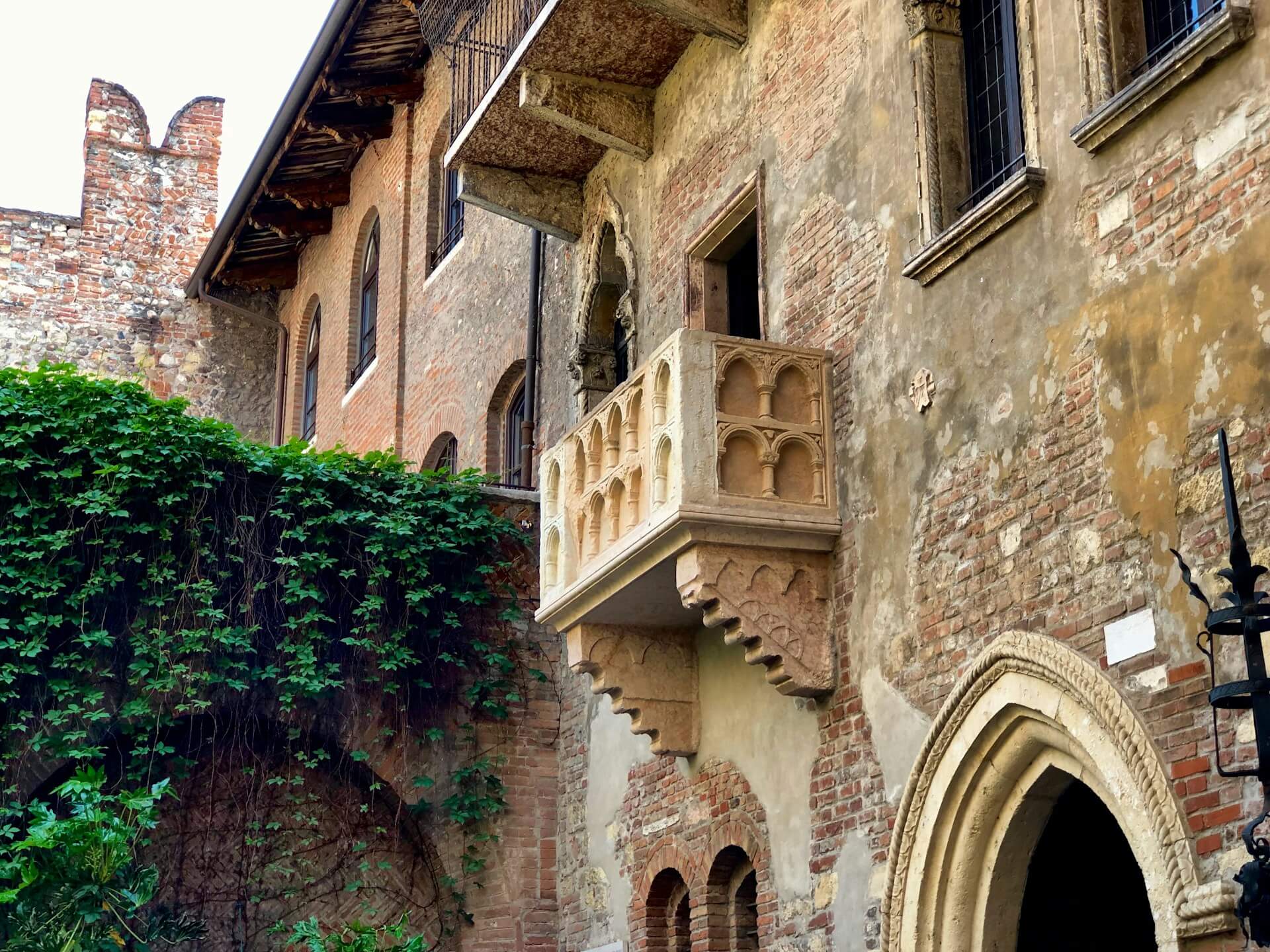
Verona is one of Italy’s most iconic historic cities, internationally known for its connection to Romeo and Juliet. Between medieval streets, elegant squares and literary landmarks, the city preserves the atmosphere that made Shakespeare’s tragedy famous around the world.
For many travellers, the journey begins with the search for Juliet’s Balcony, one of Verona’s most symbolic attractions and a place where literature, history and local tradition come together. Beyond the famous balcony, the city offers an entire itinerary linked to Shakespeare’s story, with locations traditionally associated with Romeo, Juliet and the world surrounding the play.
To organise a stay, a detailed Verona travel guide offers a useful overview of the city’s main attractions and helps plan an itinerary through Verona’s most iconic landmarks.
Juliet’s Balcony in Verona
Located inside Casa di Giulietta in Via Cappello, Juliet’s Balcony is one of the most visited places in Verona and a symbolic stop for travellers exploring the city’s Shakespearean heritage.
The courtyard of Juliet’s House is known for its romantic atmosphere, the famous bronze statue of Juliet and the balcony that inspired generations of visitors. Together, these elements have transformed the site into one of the most recognizable symbols of Verona.
Access to the courtyard is generally open to visitors, while entry to the interior museum spaces and the balcony area may require a ticket.
To enjoy a quieter experience, visiting early in the morning or later in the afternoon is often recommended, especially during peak tourist periods.
Casa di Giulietta and the symbols of Juliet
Juliet’s House
Juliet’s House in Verona is the city’s main landmark connected to the Romeo and Juliet narrative. Inside, visitors can explore historical rooms, multimedia exhibits and spaces dedicated to the literary tradition associated with Shakespeare’s characters.
The building itself reflects the medieval atmosphere of Verona’s historic centre and remains one of the city’s most photographed attractions.
Statue of Juliet
In the courtyard stands the bronze statue of Juliet, one of Verona’s most famous symbols. According to local tradition, touching the statue is believed to bring good luck in love, making it one of the most popular rituals among visitors.
Juliet’s Tomb
Located in the former convent of San Francesco al Corso, Juliet’s Tomb offers a quieter and more reflective atmosphere compared to the lively courtyard of Casa di Giulietta. The site is traditionally associated with the final scenes of Shakespeare’s tragedy and represents another important stop within Verona’s literary itinerary.
Romeo’s places in Verona
Beyond Juliet’s House, Verona preserves several locations traditionally connected to Romeo and the Shakespearean narrative, creating a literary route across the historic centre.
House of Romeo
The House of Romeo is a medieval building traditionally linked to the Montague family. Although the interior is not open to visitors, the structure remains an important symbolic landmark connected to Verona’s Romeo and Juliet heritage.
Portoni della Bra and Shakespeare’s Verona
Near Porta Nuova, the Portoni della Bra recall Romeo’s exile from Verona through commemorative elements dedicated to Shakespeare. This area reinforces the strong cultural connection between the city and the literary tradition surrounding Romeo and Juliet.
Volto Barbaro
Volto Barbaro is traditionally associated with the duel between Tybalt and Mercutio, one of the most significant moments in Shakespeare’s tragedy. Today, it remains part of the network of places linked to Verona’s literary identity.
Verona’s living Romeo and Juliet tradition
Verona continues to keep the legend alive through traditions and experiences connected to Romeo and Juliet. Every year, thousands of letters addressed to Juliet arrive from all over the world and are answered by volunteers from the Juliet Club, continuing a tradition that has become part of the city’s identity.
Messages left in the courtyard, guided tours and themed itineraries further contribute to making Shakespeare’s legacy an active part of Verona’s cultural experience.
Verona’s artistic identity is also closely connected to its performing arts tradition, particularly the Arena, one of Italy’s most celebrated opera venues. Seasonal productions continue to attract international visitors, as highlighted in the Arena Opera Festival programme in Verona.
Events dedicated to Romeo and Juliet
Throughout the year, Verona hosts events celebrating its literary and romantic heritage. Among the most well-known are Juliet’s Birthday in September and the Verona in Love festival held around Valentine’s Day.
During these events, the city centre becomes a stage for performances, cultural activities and themed experiences dedicated to the world of Romeo and Juliet.
How to reach Verona
Verona is easily reachable thanks to direct Air Dolomiti flights from Munich and Frankfurt, with arrival at Verona Valerio Catullo Airport in about one hour.
From the airport, the Verona Airlink shuttle connects travellers to Verona Porta Nuova station in approximately 15 minutes. From there, the city centre and the main attractions linked to Romeo and Juliet can be reached comfortably on foot.
For practical information about airport services and local transport, travellers can also refer to details on Verona Airport and transport connections.
Verona, where Shakespeare’s story still lives
Verona transforms Shakespeare’s tragedy into a real urban experience. From Juliet’s Balcony to the landmarks traditionally associated with Romeo, the city offers a journey through literature, history and local traditions that continues to attract visitors from all over the world.
Its streets, monuments and cultural rituals preserve a narrative that goes beyond fiction, making Verona one of the most recognizable destinations linked to Romeo and Juliet.
FAQ
Is it true that Juliet’s House is an authentic medieval building?
Yes, the building has medieval origins, although over time it has been restored and adapted to become the symbolic place we know today.
Why do visitors leave notes and messages in the courtyard?
It is a modern tradition inspired by the myth of Juliet as a “confidant of love,” which has turned the courtyard into a symbolic space for personal expression.
Does Romeo’s House really exist in Verona?
Yes, there is a building historically associated with the Montague family, although it is not open to visitors inside and is less known than Juliet’s House.
Related articles