HIDDEN BOLOGNA

“In the centre of Bologna not even a child gets lost”, as Lucio Dalla, one of the city’s most famous singers, once sang. He was right, too, as Bologna is a place where you come to find yourself rather than to lose yourself.
In Bologna, strolling through the porticoes is part of daily life, a slow ritual that leads you from one bottega to another, from taverns to bookshops, the air infused with the aromas of ragù and printed paper. It is a city that reveals itself without raising its voice and that comes to life for those who take the time to really listen.
Where traditions live on in taverns and local markets
Bologna has built its identity around its gastronomic culture. Here, tradition is a language that is spoken every day as old family recipes are handed down through the generations. Locals still frequent the city’s historical taverns, such as the Osteria dell'Orsa and the Osteria del Sole, the latter of which has been serving guests since 1465. Tortellini in broth, tagliatelle with ragù, green lasagne and friggione (stewed onions and tomatoes) are authentic culinary traditions, served on the ubiquitous paper tablecloths and paired with a Bologna red or a good merlot – equally delicious in summer or winter.
The Mercato delle Erbe is loved by the locals for a quick lunch, where you eat standing or perched on stools, with a wide choice from the numerous local stalls. This sprawling canteen represents the people of Bologna: authentic, informal and urban.
Mercato di Mezzo has a more intimate and contemporary atmosphere that features local cuisine with a fresh twist, including selected cured meats, gourmet pizzas and craft beers. It is very popular among students and expats.
In the heart of the Quadrilateral, you can indulge in whatever takes your fancy as you wander along. Start from via Pescherie Vecchie (Old Fish Market Street), where the semi‑underground stalls, so-called "buche", display their products until midday, and then continue towards via Clavature and via Drapperie, where there is a succession of shops with locally sourced products and traditional bakeries. The mortadella sandwich with pistachio, best when freshly sliced, is an timeless snack, as is the crescentone, a small focaccia typical of Emilia Romagna. The sweet treats in Bologna are also well worth savouring. The certosino fruit cake is filled with spices that smell like Christmas but can be enjoyed at any time of the year, and the ravioli di mostarda are traditional jam-filled biscuits that make for a delicious breakfast.
Underground secrets
As you meander along via Piella, you suddenly come across a small window set into the wall. Upon opening it, an unexpected view unfolds of a canal flowing between the houses, adorned with small bridges and colourful shutters reminiscent of Venice. The Moline canal is one of the few remaining visible sections of the city’s old waterways.
The scene looks like a painting, with water flowing silently, reflecting the medieval buildings, and transporting you to what feels like another city. It is no coincidence that this area is called the “Little Venice” of Bologna.
Few people are aware that in the Middle Ages, Bologna had almost 60 km of canals hidden under its roads that for centuries fed the silk and wheat mills. Thanks to the invention of the Bolognese silk mill, the city was one of the European capitals of silk between the end of the 13th century and the 18th century.
Under the streets of Bologna, a labyrinth of tunnels through which long waterways once flowed is still hidden today. Over time, the tunnels were covered up and built over, giving Bologna its modern-day appearance as a city “of land”, whereas it was once a city “of water”.
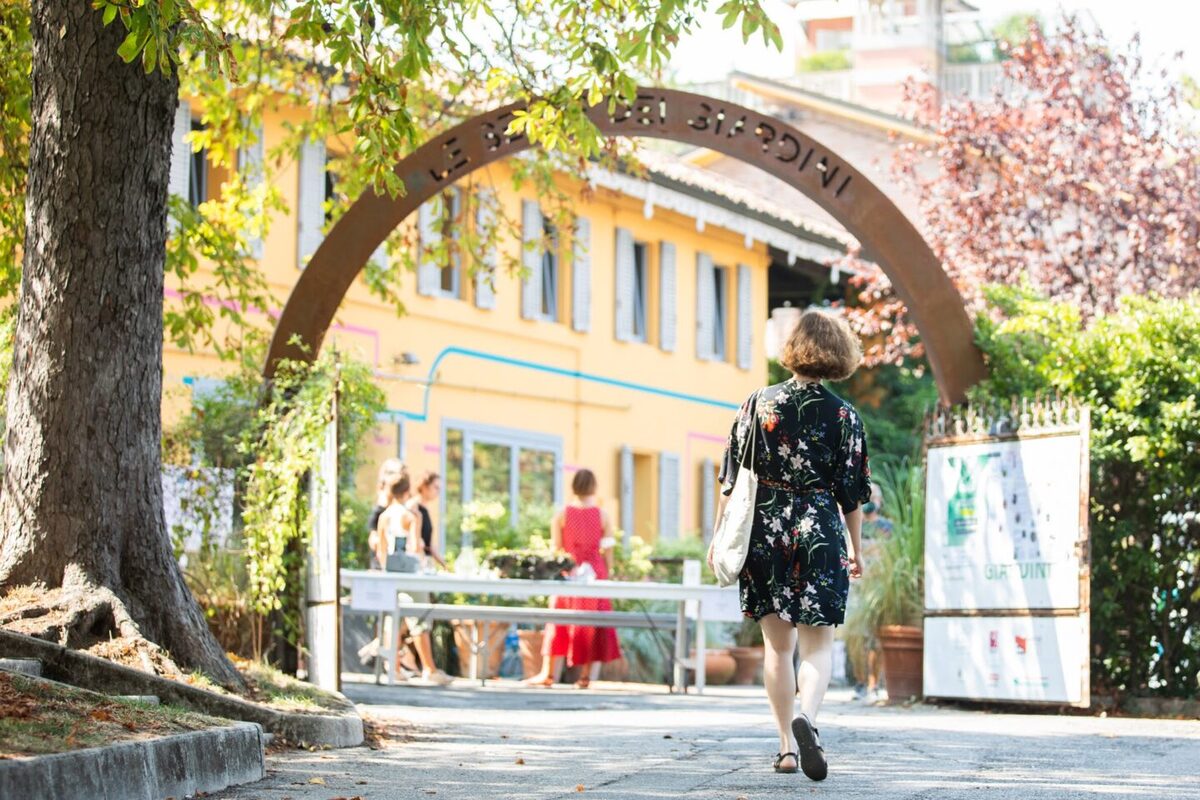
Aperitifs and smart working amongst the greenery
The Greenhouses (Le Serre) of the Margherita Gardens are a must-see place that is popular with locals all year round.
Located in the heart of Bologna's largest public park, they are a clever example of urban regeneration: a complex of old greenhouses and abandoned structures that were brought back to life in 2014 by the Kilowatt cooperative.
The project transformed this area into a multifunctional metropolitan hub, harmoniously combining coworking, vegetarian cuisine and multifunctional spaces. Cultural events are often held in the exhibition areas, while gardening and environmental projects for schoolchildren take place in the outdoor area.